

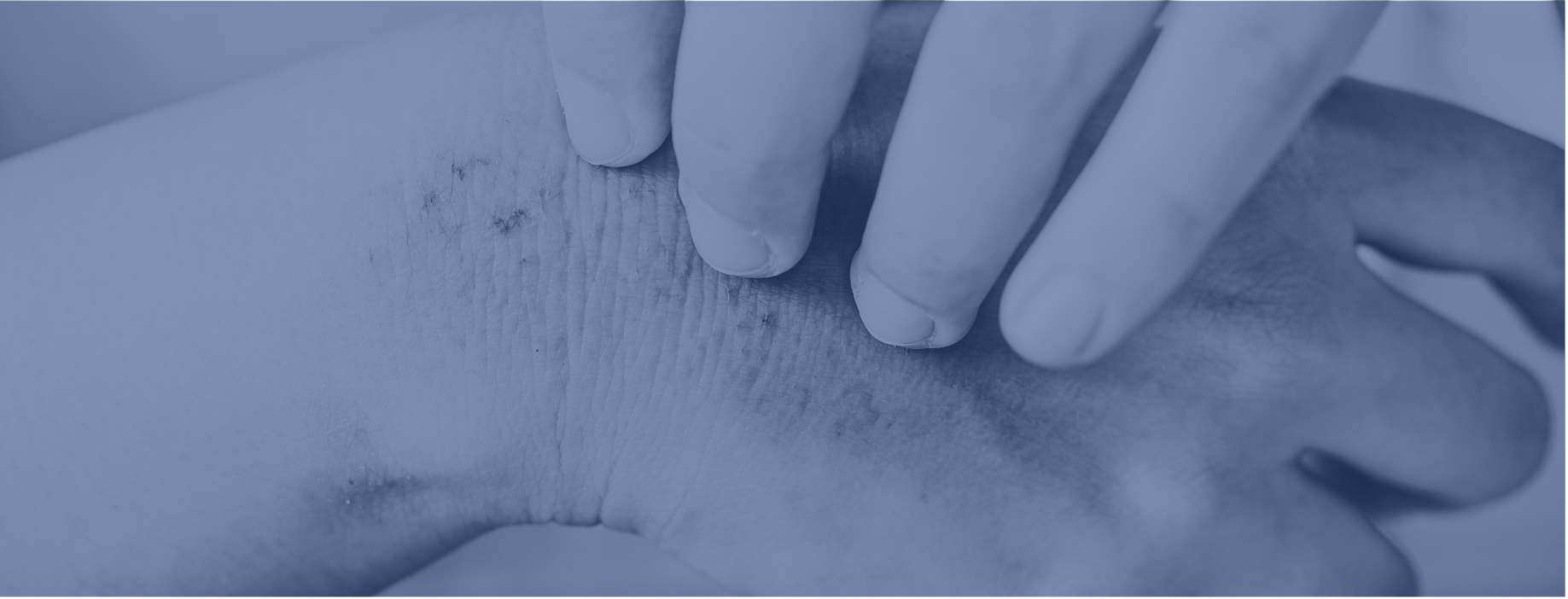
Phototoxicity and photosensitization testing is used to evaluate the potential for light-induced skin reactions following exposure to ultraviolet radiation. These in vivo studies verify that ingredients and finished formulations remain safe when exposed to UV light and support consumer safety, regulatory compliance, and the substantiation of product labelling and advertising claims related to light-induced skin responses. These studies are aligned with cosmetic and topical product safety expectations in Canada, the United States, the European Union, and other international markets. Properly validated data also helps reduce the risk of misleading claims, post-market complaints, and retailer or regulatory enforcement.
Study Types
Phototoxicity
A phototoxicity study is conducted in a panel of approximately 10 healthy adult male and female participants to assess the acute skin phototoxic potential of one test article alongside two standard control materials. During the active phase, a patch is applied to the designated skin site four times, with approximately 23 hours between each application. Ultraviolet light exposure is administered one hour following each patch removal. Skin responses are scored 24 hours after the first, second, third, and fourth UV exposures. Various patch types and adhesive materials may be used depending on whether the study is conducted under semi-occlusive or fully occlusive conditions. All studies are conducted under appropriate ethics review with informed consent from all participants.
Photosensitization
Photosensitization assessment evaluates the potential for delayed, immune-mediated hypersensitivity reactions following repeated product exposure and subsequent UV activation. This is conducted using an induction phase with multiple applications, followed by a rest period and a UV-activated challenge phase. Skin responses following the challenge are assessed for evidence of photoallergic reaction. The resulting data is used to support product safety substantiation and to assess the risk of delayed light-induced sensitization under conditions of intended use. These studies assess adverse light-induced reactions and are distinct from SPF and UVA performance testing, which evaluates sun protection efficacy.
Ready to take your product to the next stage of development?
Book a consultation with our clinical research team to discuss your study objectives, product claims of interest, and evidence generation strategy. Our experts will guide you through every step, from protocol design to data analysis, ensuring your trial meets standards for safety, efficacy, and compliance.
Contact us today to talk to a member of our team!