

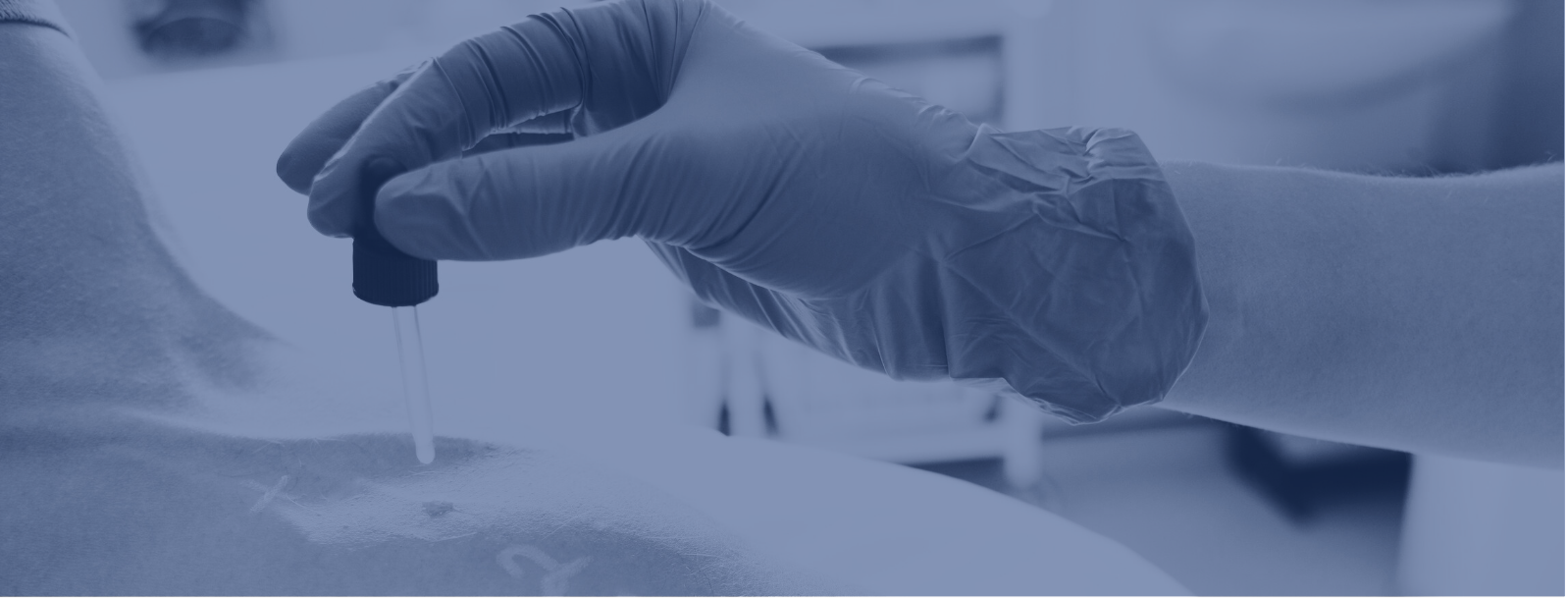
Demonstrating that your ingredients are safe for in vivo use by conducting delayed contact testing, which supports making safety claims on packaging related to allergenicity and hypersensitivity.
Three Patch Testing Methods
Jordan and King Method
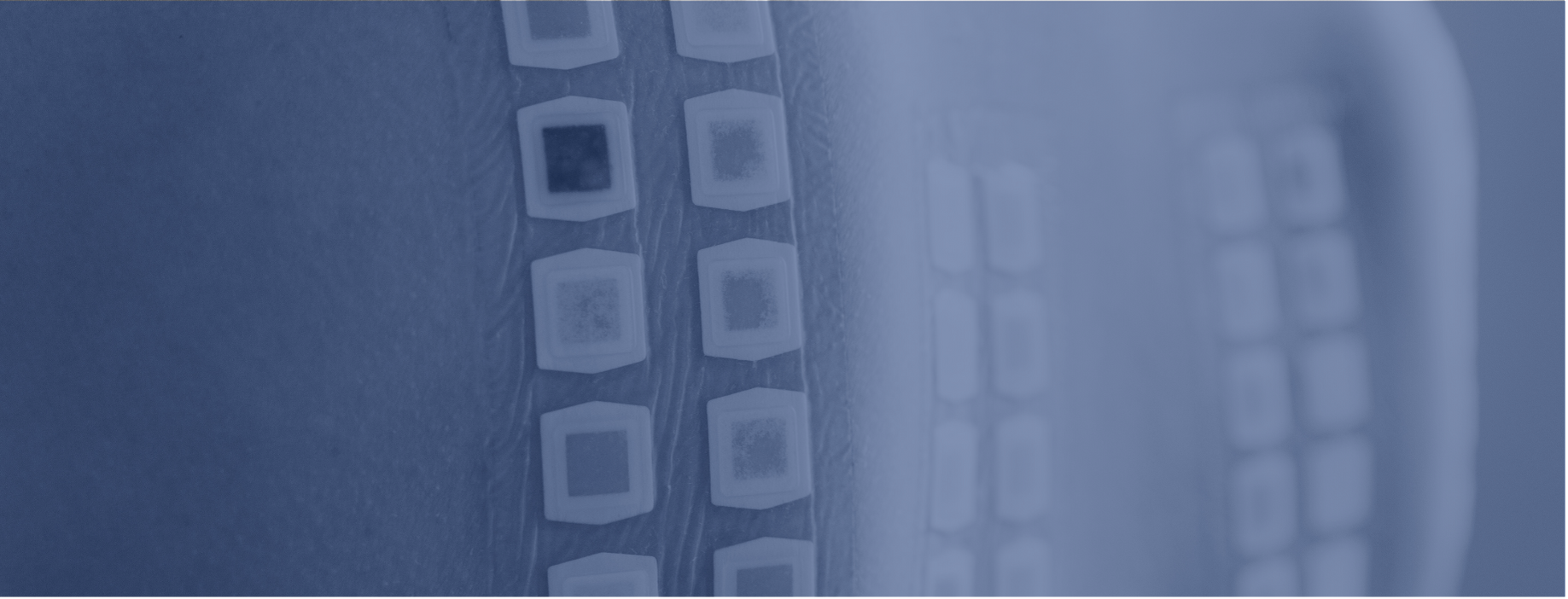
An industry standard method of path testing, that develops on the original Draize method of Human Repeat Insult Patch Test (HRIPT), with a three week induction, a one week break and a two week challenge to test whether the potential antigen product has caused the body to elicit reaction. For this study we use Finn Chambers which are fully-occlusive aluminum chambers that deliver as much of the product as possible to the skin site.
Kligman Method
This method is similar to the Jordan and King method of patch testing, but to maximize the body’s response, we would pre-irritate the site at the start with SLS – sodium lauryl sulphate. This test ranks products that have minimal potential to sensitize.
Shelanski Method
HRIPT are used to assess potential allergy to a product and are conducted in a panel of either 50 or 100 volunteers.
Types of Patch Testing
Human Repeat Insult Patch Test (HRIPT) Cumulative (7, 14, and 21-Days)
The HRIPT cumulative study evaluates the potential for cumulative irritation and delayed skin responses following repeated exposure. During the induction phase, consecutive patches are applied to the same skin site on the arms or back for 24 hours, three times per week over a three week period, for a total of nine applications. Each induction site is assessed for erythema and oedema following patch removal to monitor irritation response. Two weeks after the final induction application, a challenge patch is applied for 24 hours and evaluated at 48 and 96 hours post removal. Responses observed during the challenge phase are compared to earlier induction responses to assess sensitization potential, while induction phase findings are interpreted as evidence of cumulative irritation.
Acute / Primary Local Tolerance Test (24, 48, and 96-hour)
This test method is used to assess the primary skin irritation potential of cosmetic and topical products under conditions that reflect intended consumer use.
- Open Application Patch Testing:
This in vivo clinical study assesses the primary skin irritation potential of cosmetic and topical ingredients or finished formulations under conditions that reflect intended consumer use. Open application testing is used when occlusive exposure would not be representative of real-world use or could artificially amplify irritation responses. Approximately 30 healthy adult male and/or female participants are enrolled following informed consent and ethics review. Up to eight test articles are evaluated per study alongside two standard controls, with data used to support product safety substantiation and regulatory compliance.
- Active Phase:
Each test article is applied to designated skin sites one to four times, with approximately 23 hours maintained between each application. Products are applied under open conditions to reflect intended consumer use. One hour following each application, trained evaluators assess the test sites for evidence of irritation and adverse skin reactions using standardized clinical grading criteria.
Ready to take your product to the next stage of development?
Book a consultation with our clinical research team to discuss your study objectives, product claims of interest, and evidence generation strategy. Our experts will guide you through every step, from protocol design to data analysis, ensuring your trial meets standards for safety, efficacy, and compliance.
Contact us today to talk to a member of our team!